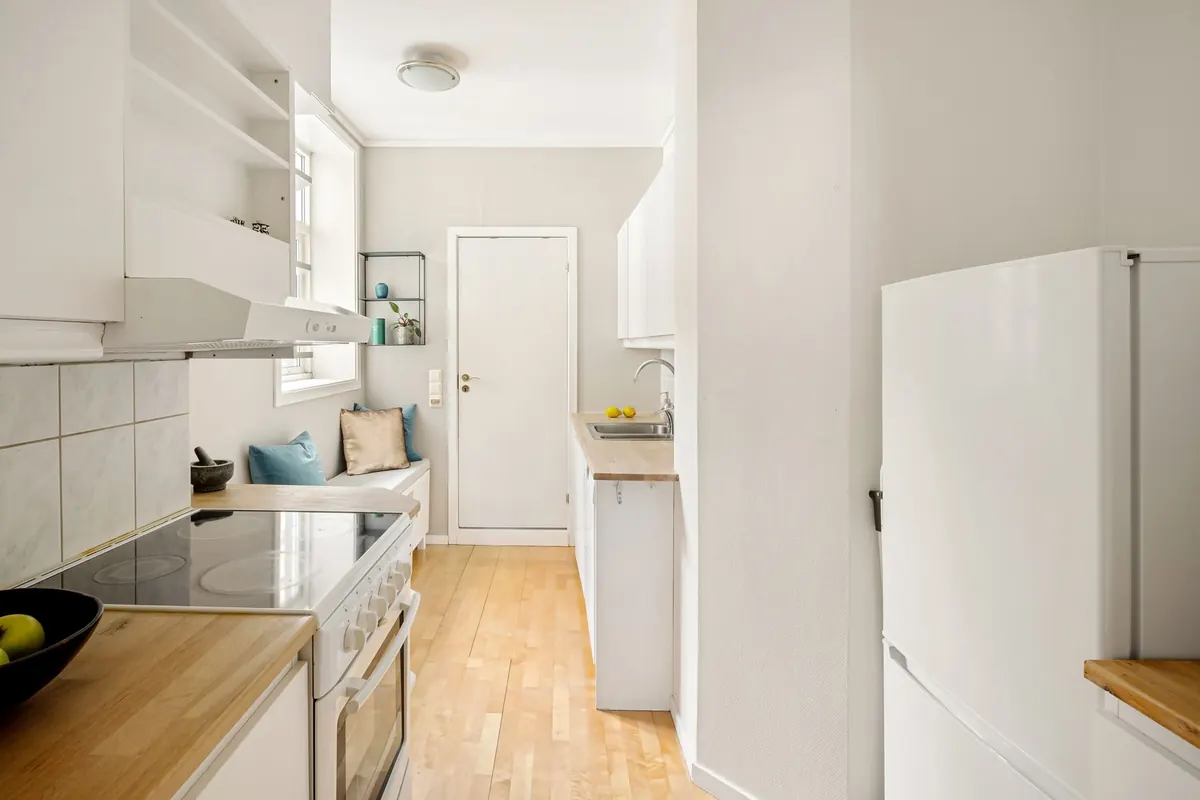
Renter-Friendly Kitchen Upgrades You Can Undo in One Weekend
October 10, 2026 - Home

October 10, 2026 - Home

October 04, 2026 - Food

October 01, 2026 - Travel

The entryway is the hardest-working patch of floor in your home, and usually the one nobody wants to manage. Shoes collect by the door, a tote lands where you drop it, mail fans out across the console table, and by Wednesday the whole space looks like a waiting room for things that have nowhere else to go.
The fix is not a weekend overhaul. It is five minutes, once a day, at roughly the same time — either the moment you walk in or right before you turn off the lights. Here is the checklist, along with the setup that makes it work.
An entryway is a transition zone. Almost nothing in it is meant to stay there. Shoes are between your feet and the closet. Mail is between the mailbox and the recycling bin. A jacket is between outside and the hook. That means the space has no natural resting point, so it accumulates by default.
It also gets ignored. Nobody relaxes in the entryway, so nobody notices it getting worse. And unlike a kitchen counter, it has no single task that forces you to reset it. You cook a meal and the counter gets wiped. You walk through the door a hundred times and nothing forces you to clear the pile.
So treat it as a design problem, not a discipline problem. You need a spot for each thing, and a short daily sweep so the spots stay usable.
Set a timer if it helps. Work top to bottom or floor to ceiling — pick one order and use it every time so you stop thinking about what comes next.
Five minutes is genuinely enough once the landing spots exist. The reset is maintenance, not cleaning. You are not scrubbing, vacuuming, or reorganizing. You are putting the same fifteen objects back where they live.
Without designated homes, the five-minute reset turns into five minutes of deciding. That is what kills the habit. Set these up once and the daily version becomes almost automatic.
One tray or rack near the door, with a cap: one pair per person, plus the pair you are currently wearing. Everything else lives in a closet. If your household has five people and nine pairs of shoes by the door on any given evening, that is the cap failing, not the people. Add a shallow basket under a bench for slippers and children's shoes, and keep it shallow so it can't quietly become a second closet.
Hooks at the right height — roughly shoulder level for adults, lower for kids so they can actually reach them. A hook too high gets ignored. If you carry a tote, a backpack, and a gym bag, that is three hooks, not one hook and two piles.
A single letter tray or a folder standing upright, plus a recycling bin within arm's reach of the door. One tray. Not one for each person, not a pile on the stairs. Empty the file pile weekly, ideally while you are already dealing with something else like paying a bill.
A tray with a lip so things don't slide off, placed exactly where your hand lands when you come in. Keep a second hook or drawer spot inside for spare keys and the things you only need occasionally — stamps, a phone charger, a foldable umbrella.
Some items simply do not belong in an entryway: a library book, a phone charger, a kid's toy, a package you have not opened. Do not solve this by inventing storage for it. Toss it in a basket and carry the basket to the rooms it belongs in — once a day if you can, once a week at minimum. The basket is a holding area, not a permanent home. If the same item keeps landing in it, that is your cue to give it an actual spot somewhere else in the house.
In a shared home, one basket per person works better than a communal one. Sorting whose wallet is whose at 8 a.m. is not a job anyone wants.
Twice a year — when you swap coats and boots for warmer or cooler weather — the entryway needs more than maintenance. Pull everything out, wipe the floor and the walls where bags rub, and sort the shoes and outerwear into keep, repair, and donate. This is a twenty-minute job at most if you have been doing the daily reset. If you have not, it will take an afternoon, and that is fine. Do it once and the daily version gets easy again.
Habits survive by attaching to something you already do. The reset fits naturally at two moments: right after you take off your shoes, or right before you lock the door and turn off the lights for the night. Pick one and pair them. "Shoes off, tray reset." "Door locked, mail sorted."
Two more things help. Keep the supplies where the work happens — a recycling bin by the door, a cloth in a nearby drawer, extra hooks in the junk drawer so a broken one gets replaced the same day rather than next month. And lower the bar: a mediocre reset done daily beats a perfect one done twice a month. Some nights you will only clear the floor and dump the mail. That still counts.
The real return shows up at 7:40 a.m. Keys are in the tray. Your left shoe is where your left shoe should be. There is nothing to step over on the way out, no envelope to shove aside, no two-minute hunt that turns into five. You leave the house with a clear head because the last thing you saw before bed was a clear floor.
Start tonight: set a timer for five minutes, work the six steps in order, and see how much of the pile disappears. Then do it again tomorrow.
Photo: ClickerHappy / Pixabay
A practical guide to renter-friendly kitchen upgrades — peel-and-stick tile, plug-in lighting, freestanding storage...

A practical starter plan for strength training after 50: the key movement patterns, what equipment you actually...
October 10, 2026 - Home
October 04, 2026 - Food
Copyright © 2026 Lifestyle Vale. All Right Reserved.