Renter-Friendly Kitchen Upgrades You Can Undo in One Weekend
October 10, 2026 - Home

October 10, 2026 - Home
October 04, 2026 - Food
October 01, 2026 - Travel
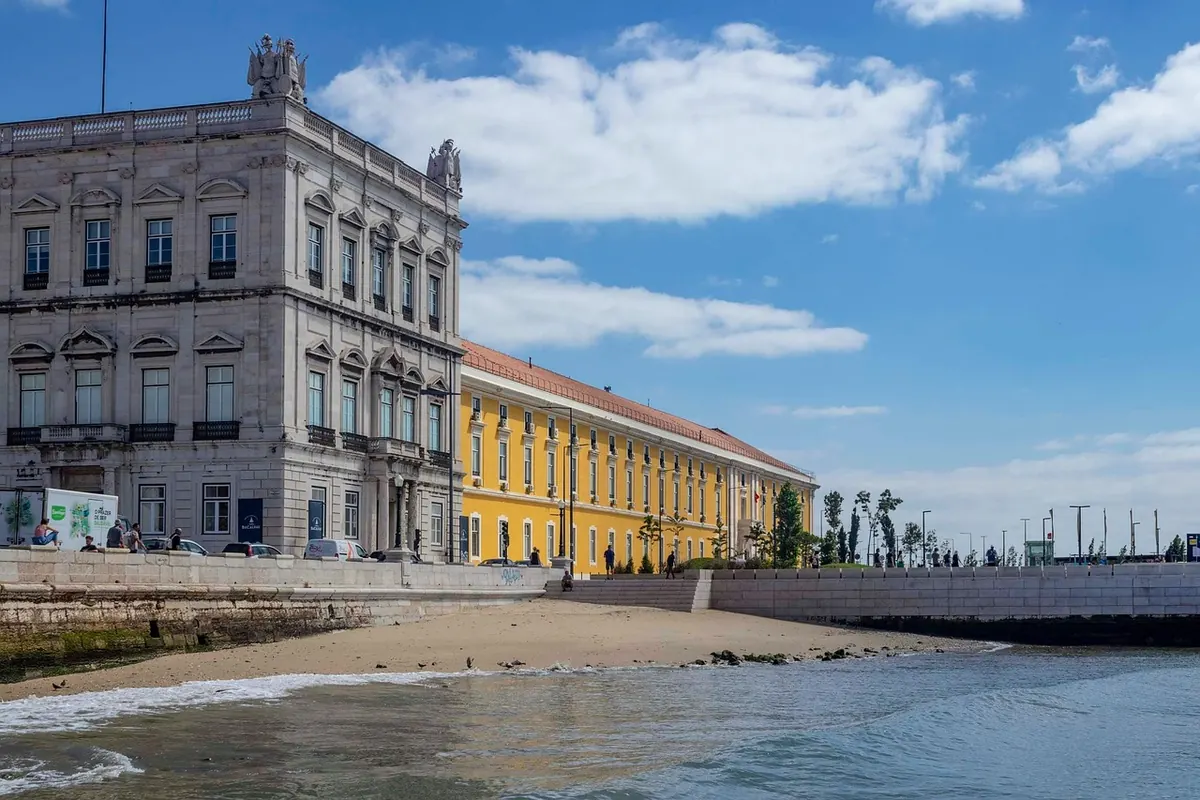
August in the Algarve has its charms, but finding a parking space in Ferragudo at six in the evening is not one of them. Come October, the beach bars pack up, nightly rates fall, and the coast returns to the people who live on it all year. Off-season here isn't a watered-down version of summer. It's a different trip: storm-watching on the Alentejo coast, chestnuts and água-pé in November, empty line-ups in Ericeira, and long lunches because nobody is hovering for your table.
What follows is how locals actually use these towns between roughly October and May — where the weather holds, what's worth eating, and the small logistics that decide whether a quiet week feels restful or simply shut.
Portugal's coastline runs for hundreds of kilometres, and the weather does not behave the same way along any of it. Two hours north of Lisbon in January is a different climate from the Algarve.
Wet, green and bracing. Rain is frequent from November through February and the wind off the Atlantic never really stops. Between the fronts there are bright, cold, glass-clear days, and towns like Viana do Castelo, Esposende and Costa Nova carry on with fishing, football and inexpensive lunches. Pack accordingly and this stretch is beautiful; pack for a beach holiday and you'll spend a lot of time indoors.
Patchier and often the sweet spot. São Martinho do Porto's shell-shaped bay is sheltered enough for a winter swim on a sunny afternoon. Nazaré and Peniche are working towns with a winter rhythm of their own: the surf crowd arrives for the swell, everyone else stays for the fish.
Raw, dramatic and frequently empty. The wind will find you. Parking is free almost everywhere. Some villages genuinely close from November until Easter, which is either the appeal or the problem, depending on what you came for.
The driest and mildest stretch, with genuinely sunny days in January and February and almond blossom in the hills. Nights are cold, though, and many houses are built to shed summer heat rather than hold winter warmth.
Some places shut down attractively. Others just shut. These hold up well outside summer:
Off-season eating in Portugal is often better than summer eating, for the simple reason that restaurants are cooking for locals rather than tourists. Menus shrink, prices drop, and the dishes get heavier — which is exactly what you want when the wind is coming off the Atlantic.
Autumn is chestnut season. From late October, vendors in Lisbon and in small coastal towns alike sell roasted chestnuts from carts, and the feast of São Martinho on 11 November is celebrated with água-pé — a lightly fermented drink made from the second pressing of the grapes — alongside jeropiga and chestnuts. If you're on the coast in November, look out for a magusto, the communal chestnut roast that marks the turn of the year.
Through the winter, expect:
Spring arrives as wild asparagus, broad beans and the first sardines. By May the grills are lit on the street again and the season quietly restarts — which is why locals think of the coast as having two summers and one long, excellent winter.
"Março, marçagão, manhãs de inverno e tardes de verão." — an old Portuguese saying that describes the shoulder-season coast exactly: bring layers, and actually use them.
None of this is complicated, but each item has at some point ruined someone's quiet week:
Off-season Portugal rewards patience and a slightly looser plan. The beaches are yours, the seafood is cheaper, and the towns are what they are when nobody is performing for visitors. Bring a jacket, book ahead for Saturday, and let the weather decide the rest.
Photo: MANOLOBLASCO / Pixabay
A practical guide to renter-friendly kitchen upgrades — peel-and-stick tile, plug-in lighting, freestanding storage...

A practical starter plan for strength training after 50: the key movement patterns, what equipment you actually...
October 10, 2026 - Home
October 04, 2026 - Food
Copyright © 2026 Lifestyle Vale. All Right Reserved.