Renter-Friendly Kitchen Upgrades You Can Undo in One Weekend
October 10, 2026 - Home


October 10, 2026 - Home
October 04, 2026 - Food

October 01, 2026 - Travel
Early fall is the best shopping window of the year. Tomatoes are still worth eating, peaches are on their way out, and the first apples, pears and squash have landed at the same time. For a few weeks you can roast a wedge of delicata and slice a tomato for the same dinner. That overlap closes quickly, so it helps to know what to buy now, what to eat first, and what will sit quietly in a cool corner for the next month.
Apples are the easy win of the season. They are firm, they travel well, and they keep for weeks if you treat them right. Keep them in the crisper drawer in a bag with a few holes punched in it, and keep them away from your greens and berries — apples release ethylene gas that speeds up ripening in everything nearby. If one goes soft, use it for sauce rather than throwing it out. Sliced apple sautéed with onion and a pinch of salt is a fast partner for pork chops or sausage, and grated apple folded into cabbage with a mustard vinaigrette makes a slaw that holds up for days.
Pears need a little more attention. Many varieties ripen from the inside out, so a pear that feels hard near the stem is not ready no matter how soft the bottom seems. Press your thumb into the neck just below the stem; when it gives slightly, it is ready to eat. Ripen them on the counter, then move them to the fridge to hold for a few days. Bosc keep their shape for roasting, while Bartlett collapse beautifully into sauce. Halve a pear, set it cut-side down in a buttered dish with thyme, and roast at 400°F until a knife slides in.
Figs are the most perishable thing on this list, and also the most rewarding. A ripe fig droops in your hand, feels as soft as a ripe peach, and sometimes shows a bead of syrup at the stem. Plan to eat them within a day or two. Store them in a single layer in the fridge and let them come back to room temperature before serving — cold mutes them. Tear figs over yogurt with honey and walnuts, or halve them, brush with olive oil, and grill cut-side down for a few minutes before piling onto toast with ricotta and flaky salt.
Grapes should not be washed until you are ready to eat them; the dusty bloom on the skin is what protects them. A vented bag in the fridge will keep them crisp for a week or more. If you find Concord grapes, simmer them with a splash of water and a spoonful of sugar until the skins burst, then press the pulp through a sieve. The result is a loose, tart jam that works on toast or as a glaze for roast chicken.
Plums, especially the small prune plums that arrive in early fall, are best cooked. Leave firm ones on the counter, refrigerate ripe ones, and halve them into a skillet with a spoonful of sugar and a splash of vinegar. Cook until jammy. Spoon that over yogurt or ice cream, or thin it with a little stock and use it as a pan sauce.
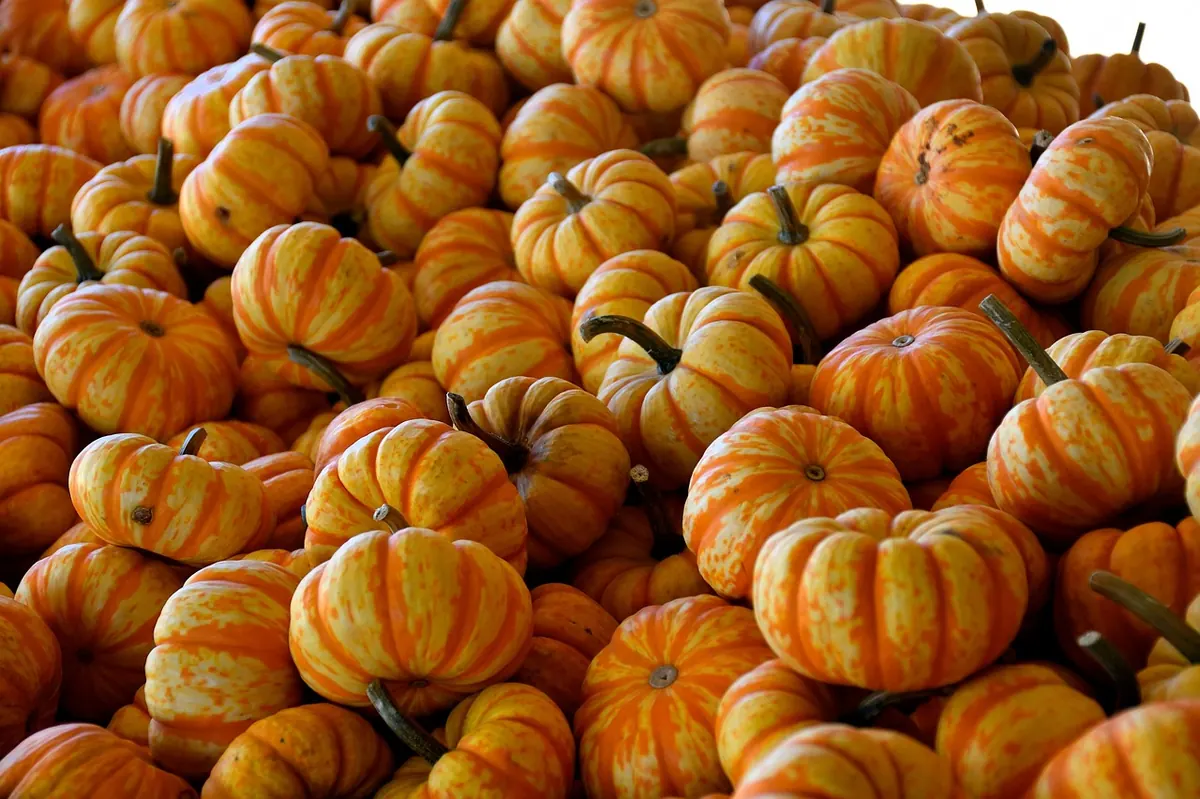
Squash is the workhorse of the season. Store whole ones in a cool, dark spot around 50–60°F — a pantry floor or basement shelf, not the refrigerator — and keep them away from apples and pears, which shorten their life. Delicata is the exception: it holds only a couple of weeks, so eat it first. Once cut, wrap squash and refrigerate it, using it within a few days.
One method covers almost all of them: toss cubes or wedges with oil and salt, spread them out with room between the pieces, and roast at 425°F for 25 to 35 minutes, turning once. Crowding the pan steams the squash instead of browning it.
Beets. Twist the greens off, leaving about an inch of stem — the leaves pull moisture from the root. Cook those greens like chard. Store the roots in a bag in the fridge for weeks. Roast them wrapped in foil with a pinch of salt until a knife slides in, then rub the skins off with a paper towel while they are still warm.
Carrots. Remove the tops for the same reason as beets. Store in a bag, or stand them in a jar of water in the fridge if you want them extra crisp. They are sweet enough raw with salt, and just as good roasted whole with cumin.
Leeks and fennel. Leeks are sandy — slice them lengthwise, fan the layers open, and rinse under running water. Sweat them slowly in butter for soup or a braise. Shave fennel thin with a mandoline or sharp knife and dress it with lemon, olive oil, salt, and parmesan.
Brussels sprouts. If you can buy them on the stalk, do — they keep longer. Halve them, toss with oil, and roast cut-side down at 425°F until the edges go dark. Boiling is what gave these a bad reputation.
Parsnips and turnips. Roast them alongside carrots. Parsnips turn sweet; turnips turn mild.
Kale and chard. Strip the stems, roll the leaves in a damp towel, and bag them. Massage kale with olive oil and salt for salads, and wilt chard with garlic and a squeeze of lemon.
Mushrooms. Paper bag, never plastic. Sear them in a dry pan first, then add butter once they have released their water — otherwise they steam.
Tomatoes are still coming in, and they deserve better than the fridge, which dulls their flavor. Keep them at room temperature in a single layer, stem-side down. When the glut arrives, make sauce: halve them, simmer with onion and olive oil, run the lot through a food mill, and freeze in jars.
Peppers are worth roasting in bulk. Blister them under the broiler or directly on a gas burner, steam them in a covered bowl, then peel and freeze them flat in bags. Corn should be eaten within a day or two of picking, since its sugar turns to starch quickly; if you must hold it, leave the husk on and refrigerate.
Shop twice a week rather than once. Buy a small amount of the perishable things — figs, corn, tomatoes — and a larger amount of anything that stores, so you always have dinner in the house without a second trip.
Then cook in order of decay. Perishables first, squash and roots later. A single big roasting pan on a Sunday handles carrots, beets, and a squash at once, and those containers carry you through the first half of the week. Keep a bowl of apples and pears on the counter where you will actually see them; fruit that is visible gets eaten.
One last note: harvest dates shift with the weather and vary a lot by region, so treat this as a guide rather than a calendar. Ask the person at the stall what was picked this week, and buy that. And if you plan to preserve anything in quantity — canning, freezing in bulk, or keeping squash for months — follow tested food-safety guidance for your method rather than improvising.
Photo: paulbr75 / Pixabay
A practical guide to renter-friendly kitchen upgrades — peel-and-stick tile, plug-in lighting, freestanding storage...

A practical starter plan for strength training after 50: the key movement patterns, what equipment you actually...
October 10, 2026 - Home
October 04, 2026 - Food
Copyright © 2026 Lifestyle Vale. All Right Reserved.